How to Study the Bible for Beginners: A Simple Step-by-Step Guide
Want to read the Bible but don't know where to start? This simple step-by-step guide shows complete beginners how to study God's Word — which book to open first, a 3-question method anyone can use, and the common mistakes to avoid.
You bought a Bible — or opened the app — with every intention of reading it. Then you saw 1,189 chapters, started at page one, hit the genealogies, and quietly gave up somewhere in Leviticus. Sound familiar?
You are not the problem. You just never had a method. Here is the short answer: to study the Bible as a beginner, you need four things — a translation you can understand, the right starting book (not Genesis), a simple three-question method, and fifteen consistent minutes a day. That's it. This guide walks you through each step.
And the goal is worth it. The Bible is not just a book to finish; it is the living Word of a God who wants to be known:
"All Scripture is given by inspiration of God, and is profitable for doctrine, for reproof, for correction, for instruction in righteousness, that the man of God may be complete, thoroughly equipped for every good work." — 2 Timothy 3:16–17
Step 1: Choose a Translation You Can Actually Understand
Many beginners quit because they are reading a Bible written in the English of 1611. There is nothing wrong with the King James — it is majestic — but if you have to translate the translation, you will not last a month.
For study, choose a modern, accurate translation: the ESV, NKJV, CSB or NIV are all excellent choices. The best Bible translation for a beginner is the accurate one you will actually read. Pick one, and stay with it long enough for its wording to become familiar.
Prefer to watch? This study is also available as a video:
Step 2: Don't Start in Genesis — Start With the Gospel of John
Here is the counsel that saves beginners: the Bible is a library of 66 books, not a novel — you do not have to read it in order.
Start with the Gospel of John. John wrote his book for exactly one kind of reader — the person trying to figure out who Jesus is:
"But these are written that you may believe that Jesus is the Christ, the Son of God, and that believing you may have life in His name." — John 20:31
The entire Bible is ultimately about Jesus, so meeting Him first makes everything else make sense. A proven beginner's path: John → Mark → Romans → Genesis → Psalms & Proverbs, then keep expanding from there.
Step 3: Pray Before You Open the Book
This step separates reading the Bible from meeting God in it. The Bible is a spiritual book, and understanding it is a gift the Author loves to give:
"Open my eyes, that I may see wondrous things from Your law." — Psalm 119:18
Before you read, pray one honest sentence: "Lord, open my eyes, teach me, and change me by what I read today." Nothing fancy is required — no special posture, no special place (we wrote a whole study showing that even praying in bed is completely biblical). God responds to sincerity, not ceremony.
Step 4: Use the Simple O.I.A. Method (3 Questions)
You do not need a seminary degree to study Scripture — you need three questions, asked in order. Bible teachers call this the O.I.A. method:
- Observation — "What does it say?" Read the passage twice, slowly. Who is speaking? To whom? What words repeat? What surprised you? Don't interpret yet — just look.
- Interpretation — "What does it mean?" What did the author intend his first readers to understand? Read the verses around the passage — context solves most confusion. A verse can never mean what its chapter contradicts.
- Application — "What do I do with it?" This is where study becomes life. Is there a promise to trust, a command to obey, a sin to confess, an example to follow? James is blunt about skipping this step:
"But be doers of the word, and not hearers only, deceiving yourselves." — James 1:22
Try it today on John 1:1–14 — ten minutes, three questions, and you will understand more than in a year of random reading.
Step 5: Read Small and Slow — Consistency Beats Quantity
Beginners overestimate what they can do in a week and underestimate what fifteen daily minutes will do in a year. God's counsel to Joshua was not "read massively" but "meditate constantly":
"This Book of the Law shall not depart from your mouth, but you shall meditate in it day and night... For then you will make your way prosperous, and then you will have good success." — Joshua 1:8
A realistic rhythm: one chapter (or even half a chapter) per day, at the same time each day. Attach it to an existing habit — with your morning coffee, on your lunch break, before bed. Psalm 1 promises that the person who meditates on the Word "day and night" becomes "like a tree planted by the rivers of water" (Psalm 1:2–3) — trees grow slowly, and they outlive every storm.
Step 6: Write Down What You Find
Keep a simple notebook (or a note on your phone) and after each reading, write three lines:
- One verse that stood out — copy it word for word.
- One truth you saw about God, yourself, or life.
- One prayer responding to what you read.
Writing slows you down, and slowness is where meditation happens. Six months from now, that notebook will also become something unexpected: a written record of God teaching you — proof, on the discouraging days, that you are growing.
Step 7: Don't Study Alone Forever
Private study is essential, but the Bible was mostly written to communities and is meant to be understood together. When the Ethiopian official was reading Isaiah alone and confused, God sent him a guide, and his honest answer speaks for every beginner:
"And he said, 'How can I, unless someone guides me?'" — Acts 8:31
So plug into a Bible-teaching local church, join a small group or Bible study, and ask your questions out loud. The first believers "continued steadfastly in the apostles' doctrine and fellowship" (Acts 2:42) — doctrine and fellowship, truth learned in relationship.
3 Common Mistakes Beginners Should Avoid
- Bible roulette. Flipping to random verses for daily inspiration rips sentences from their context and will eventually mislead you. Read books of the Bible, in order, section by section.
- Reading for information only. The goal is not to finish chapters but to be changed by them. One verse obeyed is worth more than ten chapters merely completed.
- Quitting after missing days. You will miss days — everyone does. Missing three days doesn't erase your progress; quitting does. Skip the guilt, open to where you left off, and keep going. God's mercies restart every morning (Lamentations 3:22–23).
Final Thoughts: The Book That Reads You
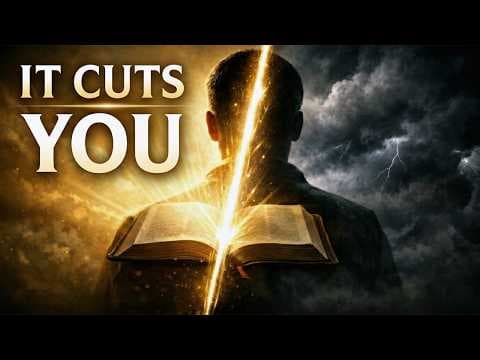
Study the Bible long enough and you will discover its strangest quality: you began by reading it, and somewhere along the way it started reading you — exposing, comforting, correcting and rebuilding you from the inside.
"For the word of God is living and powerful, and sharper than any two-edged sword... and is a discerner of the thoughts and intents of the heart." — Hebrews 4:12
So here is your entire starting plan, in one sentence: pick a readable translation, open the Gospel of John, pray one sentence, ask the three questions, write three lines, fifteen minutes a day, and find a church family to grow with. A year from now, you will not recognize your spiritual life.
What about you? Which book of the Bible are you starting with, and what has been your biggest obstacle to studying Scripture? Tell us in the comments on our YouTube channel — and share this guide with someone who has a dusty Bible waiting to be opened.
Last updated on October 19, 2026

Written by
Daily Scripture Study
Daily Scripture Study helps believers grow closer to God through in-depth Bible teachings, practical devotionals and honest answers to the hard questions of the Christian life. Every article is rooted in Scripture and written to encourage your daily walk with Christ.
Subscribe on YouTube →